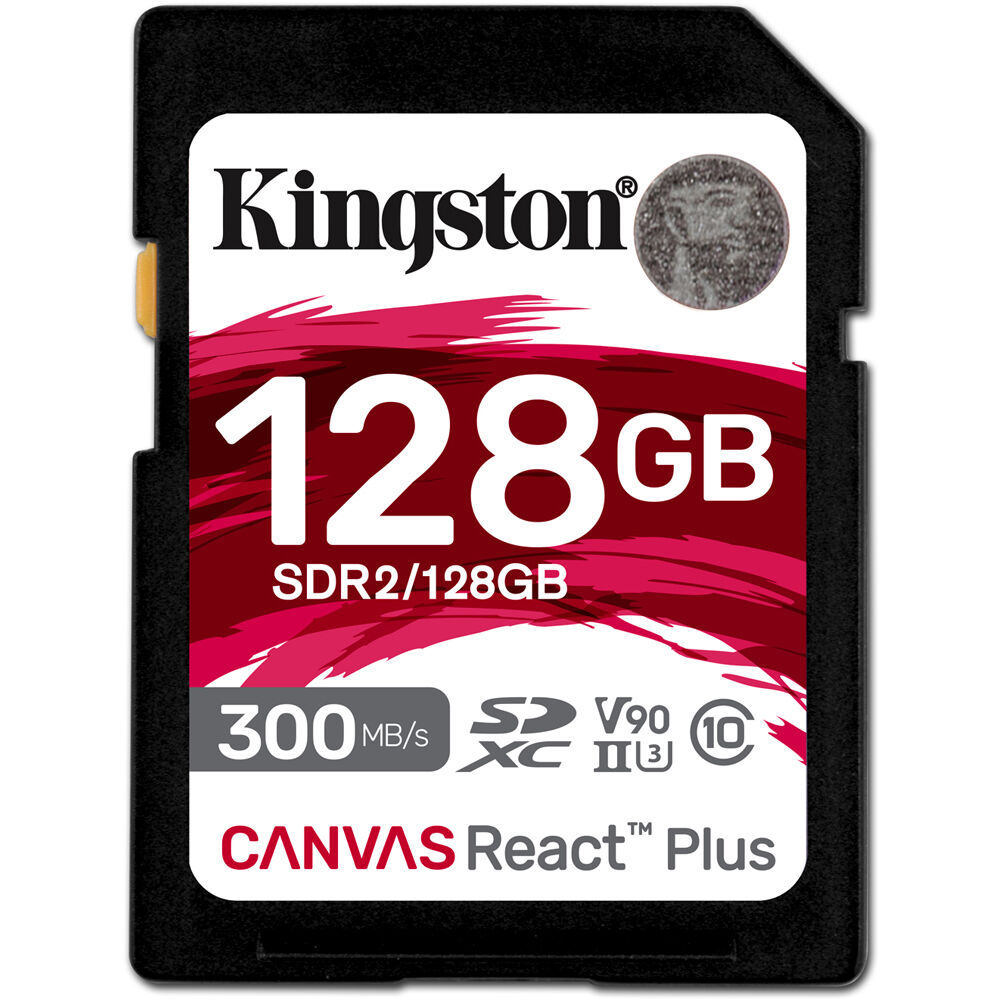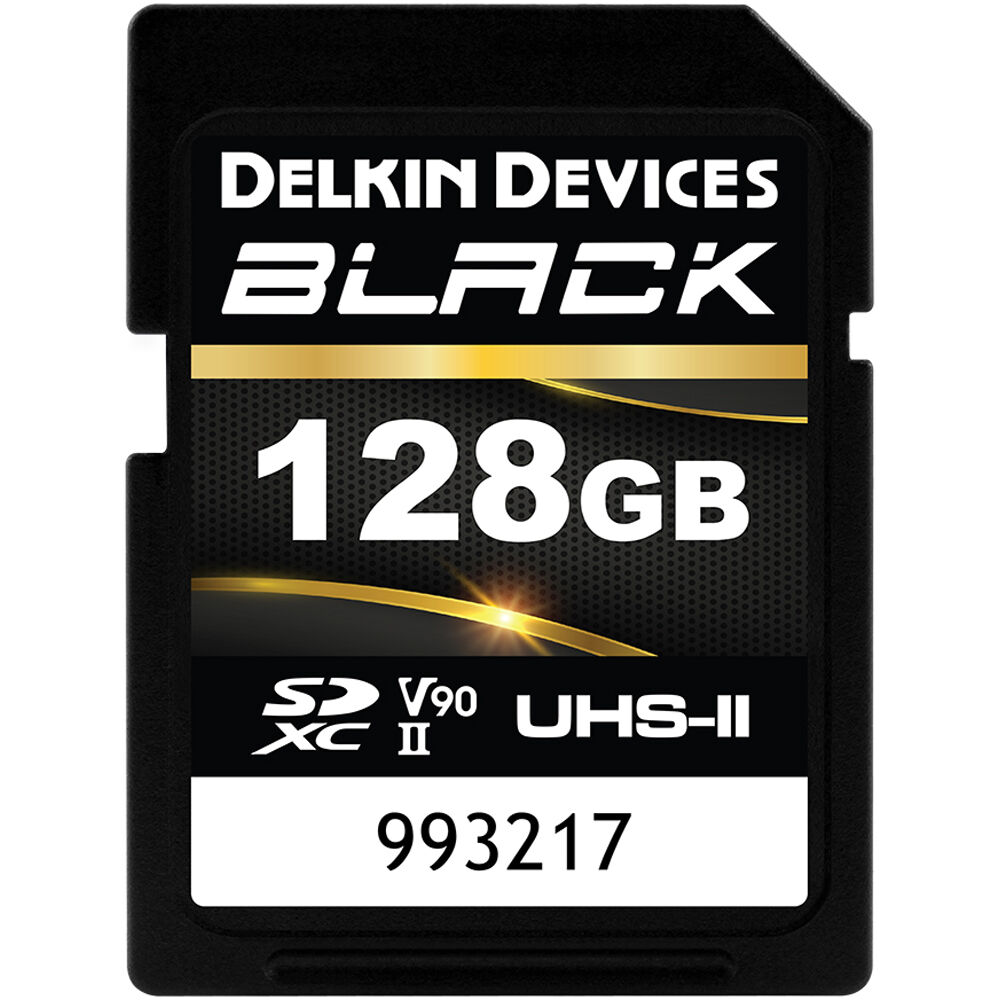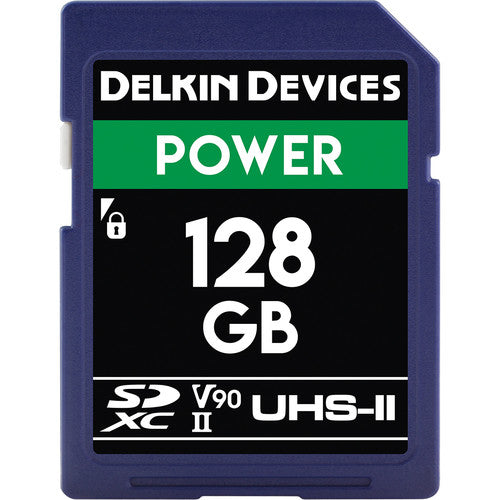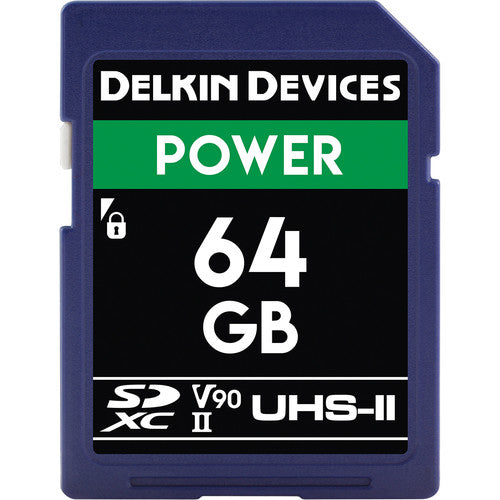
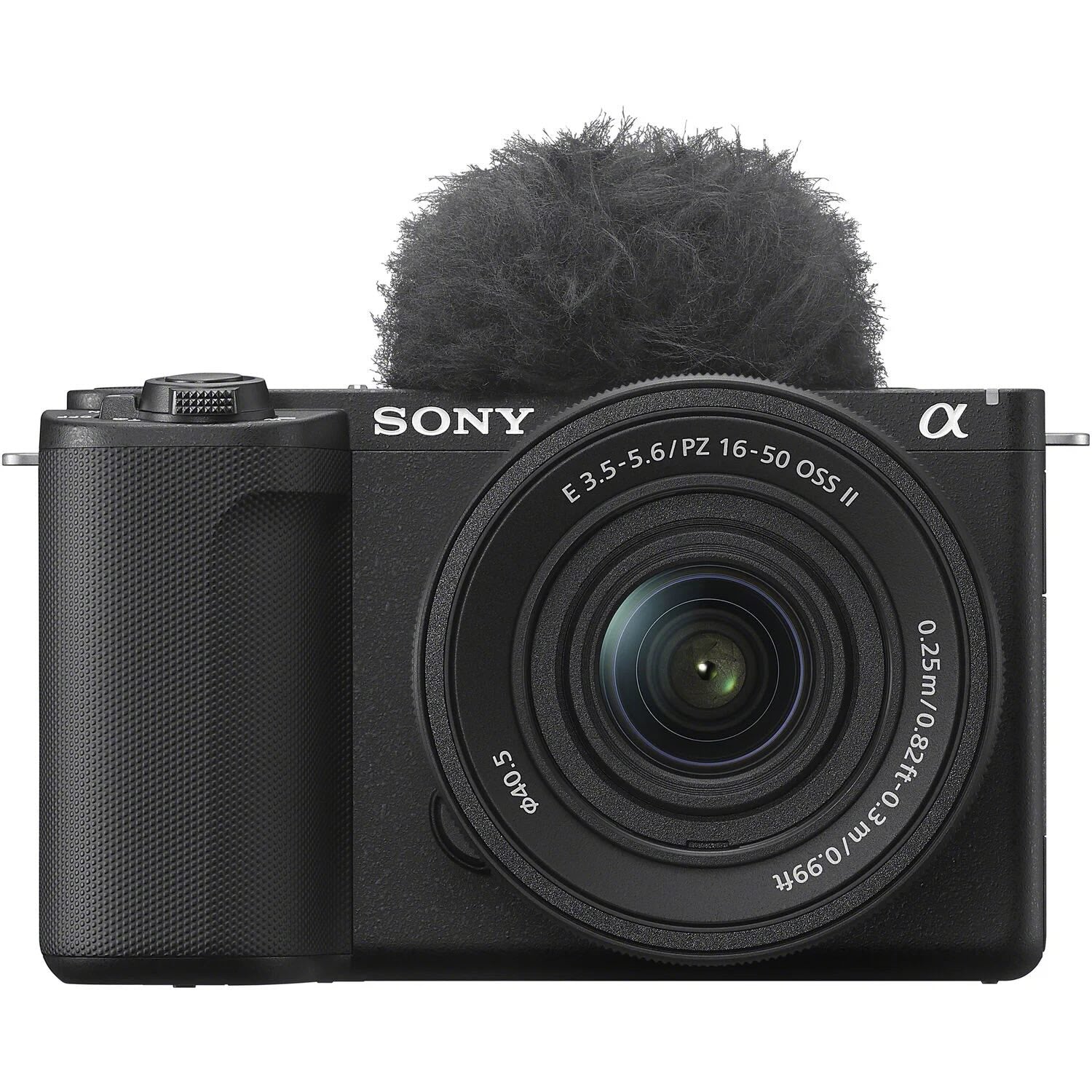
The Sony ZV-E10 II is a 26 megapixel APS-C mirrorless camera that features a single memory card slot that supports SD/SDHC/SDXC (UHS-I / UHS-II) memory cards.
For photographers a V10 or V30 rated UHS-I SD card is all you really need unless you shoot a lot of continuous bursts to capture action, then a V60 or V90 UHS-II card will help the buffer to clear much faster and allow faster transfer to your computer.
For videographers the card you choose will depend on the video type and bit rate that you wish to shoot in.
- XAVC S HD (100 Mbps): SDHC/SDXC UHS-I card (U3 / V30 or higher)
- XAVC HS 4K (280 Mbps): SDXC UHS-II card (V60 or higher)
- XAVC S 4K (280 Mbps): SDXC UHS-II card (V60 or higher)
- XAVC S-I 4K (600 Mbps): SDXC UHS-II card (V90 or higher)
- XAVC S-I HD (222 Mbps): SDXC UHS-II card (V90 or higher)
For S&Q Motion shooting an SDXC V90 UHS-II card is required.
For the best performance we would recommend the faster UHS-II SDXC cards rather than the slower UHS-I cards. SDXC cards are 64GB and larger, this will also ensure that your video files are not broken into 4GB chunks.
Recommended UHS-II SDXC Cards
Our top recommended UHS-II SDXC cards based on speed and reliability for the Sony ZV-E10 II are:
| UHS-II Card | Max Write Speed | Max Read Speed | Video Speed Class |
|---|---|---|---|
| SanDisk Extreme Pro | 300 MB/s | 300 MB/s | V90 |
| Lexar Professional GOLD 2000X | 260 MB/s | 300 MB/s | V90 |
| Delkin Devices BLACK | 250 MB/s | 300 MB/s | V90 |
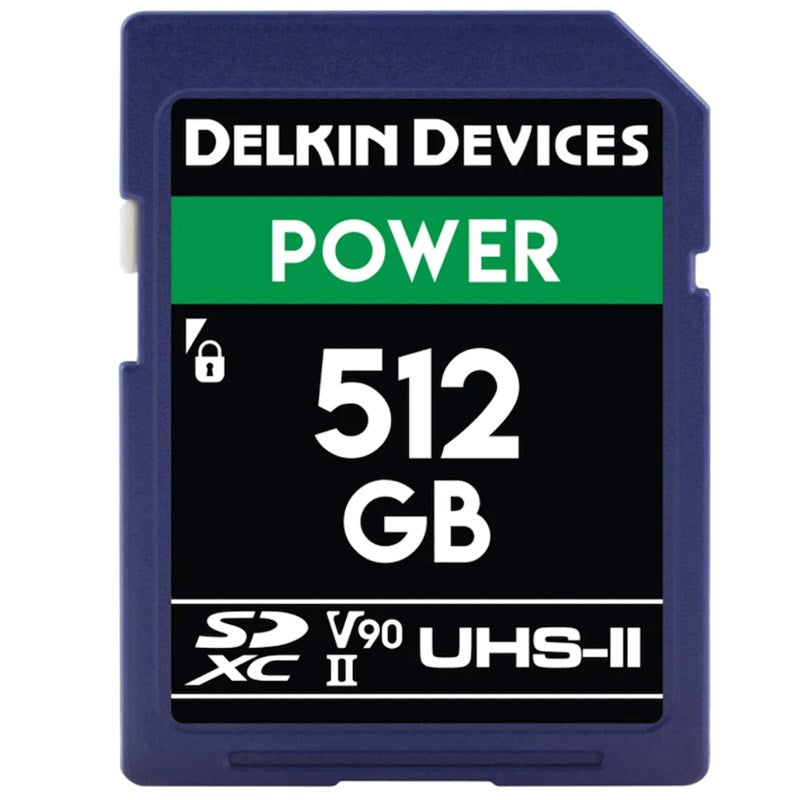
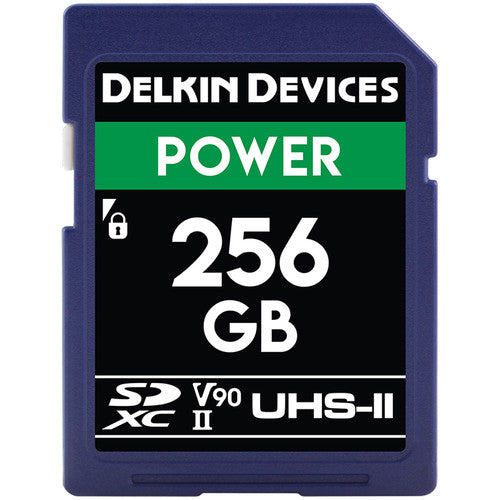
| Delkin Devices Power | 250 MB/s | 300 MB/s | V90 |
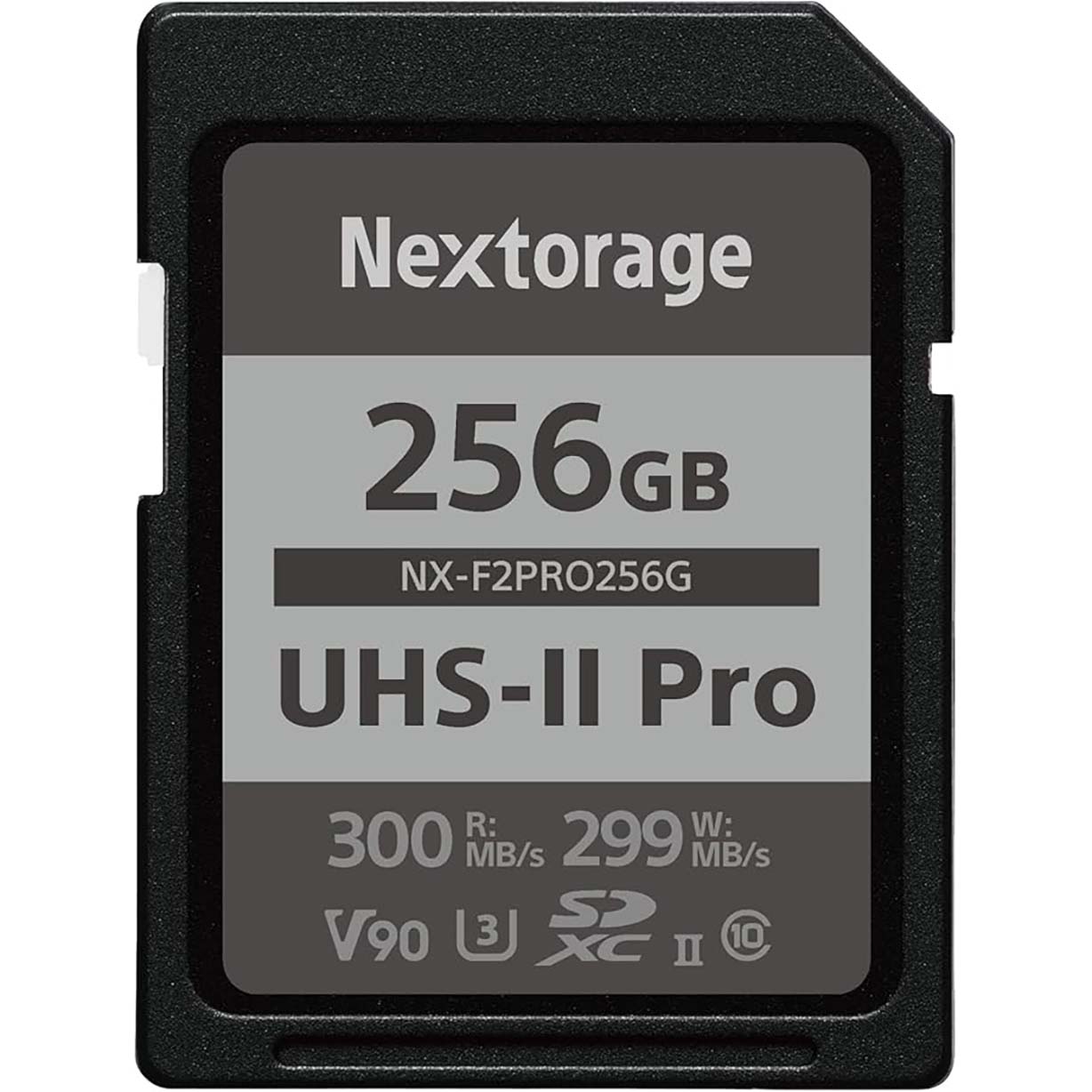
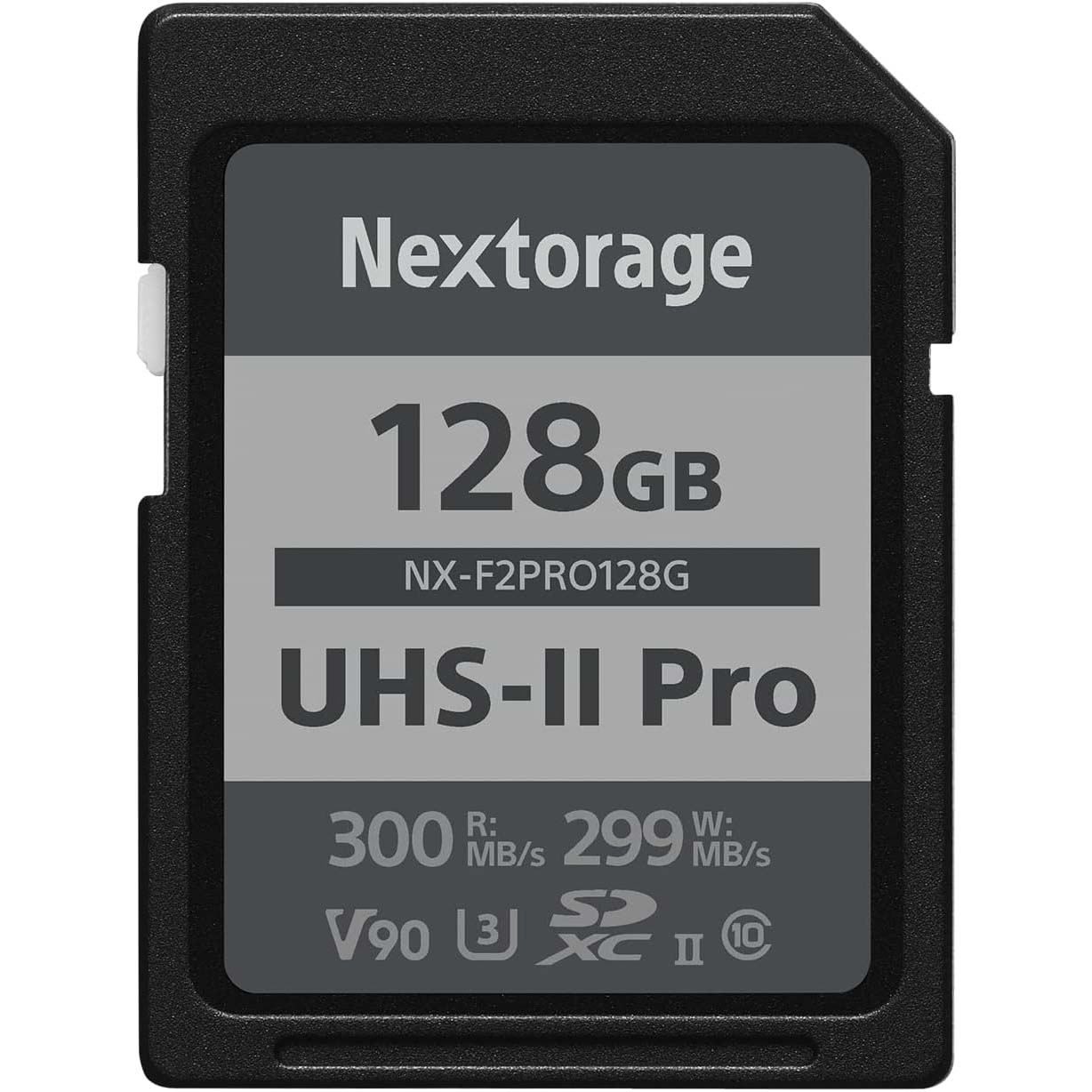
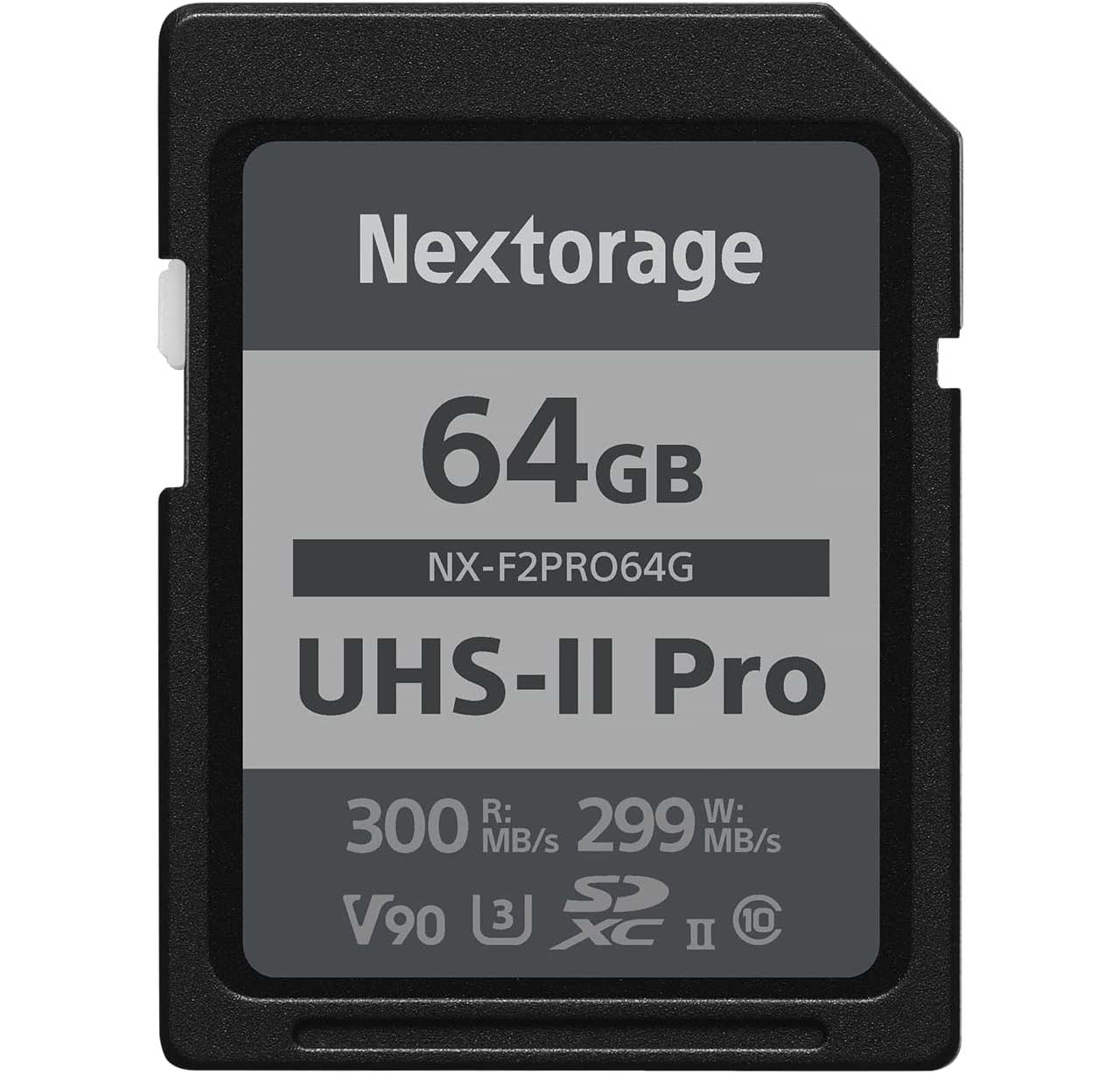
| Nextorage NX-F2PRO | 299 MB/s | 300 MB/s | V90 |
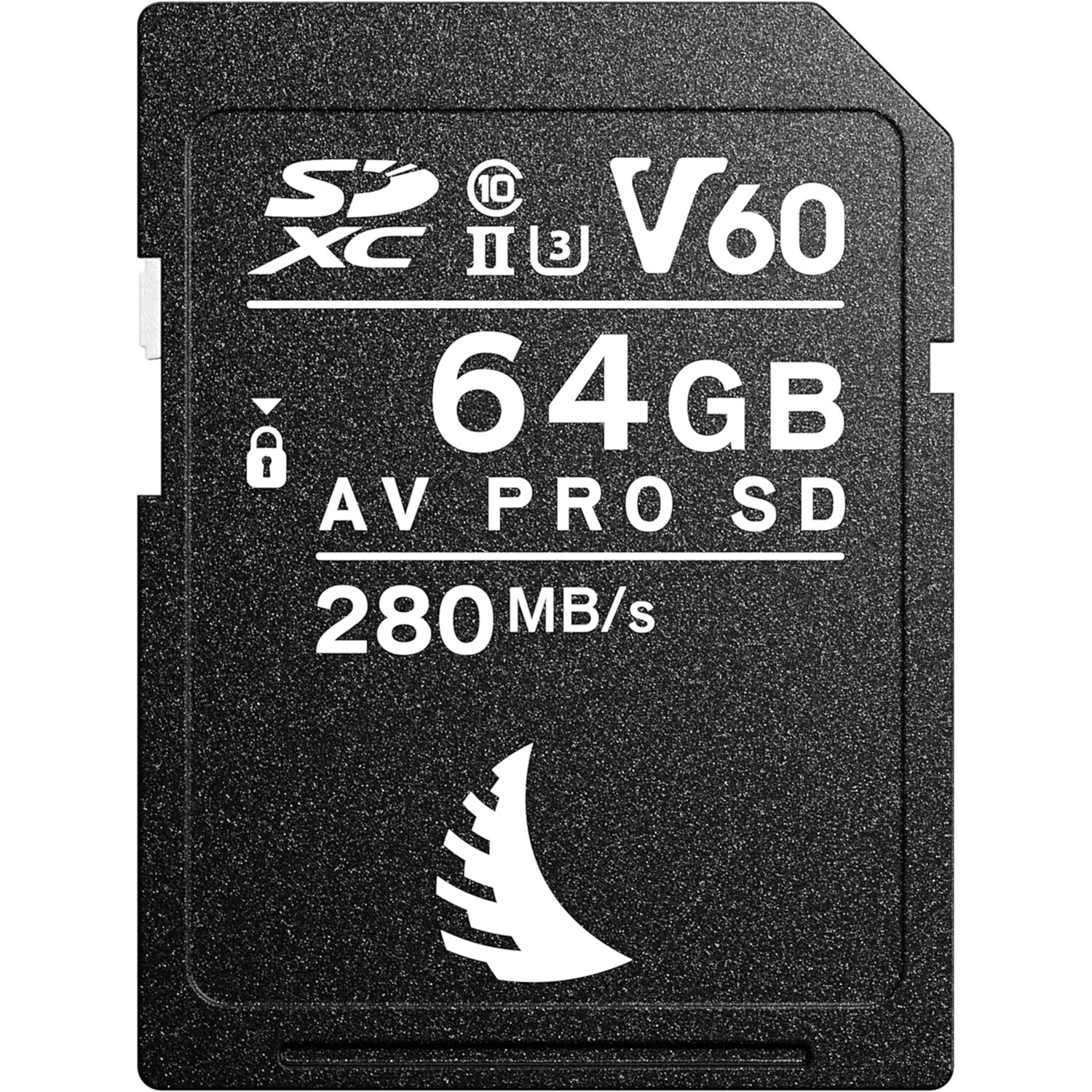
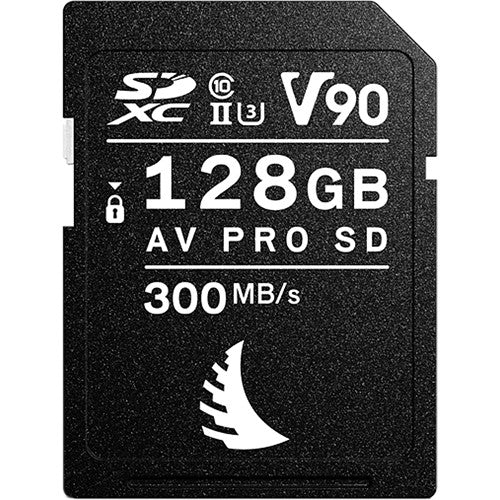
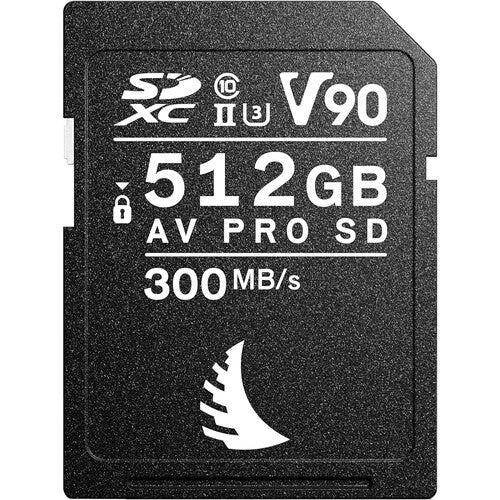
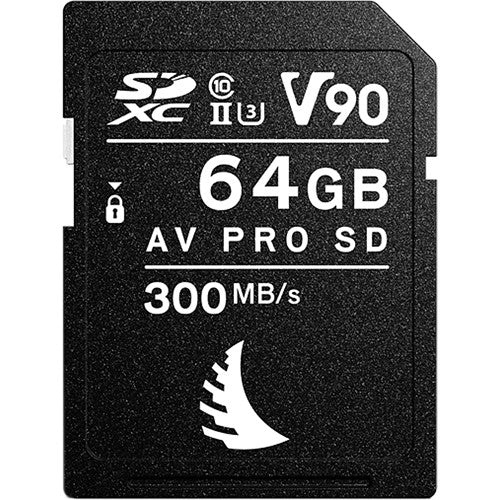
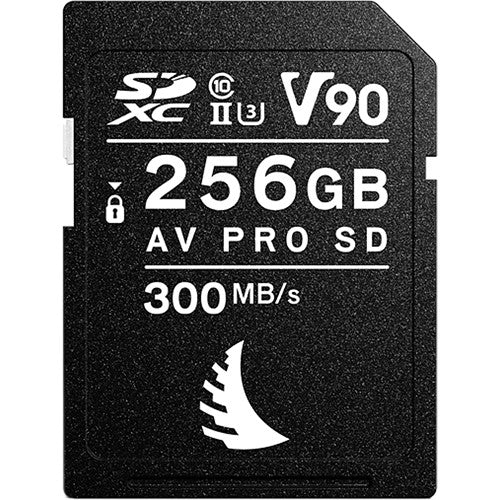
| Angelbird AV PRO SD (MK2) | 280 MB/s | 300 MB/s | V90 |
| Sony SF-G Tough | 299 MB/s | 300 MB/s | V90 |
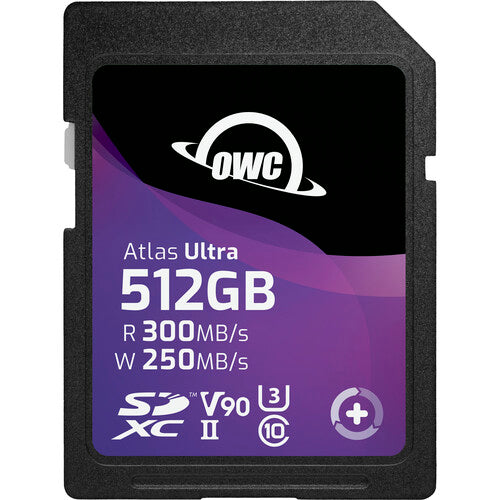
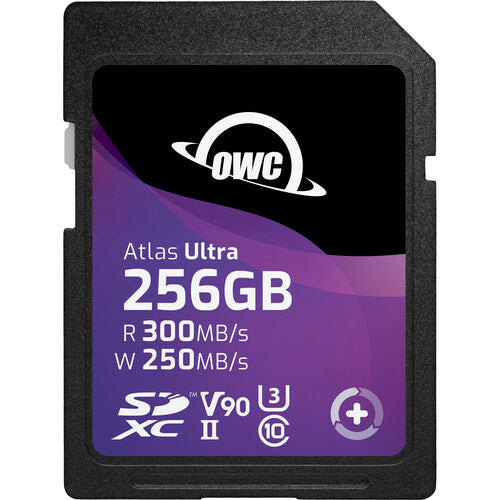
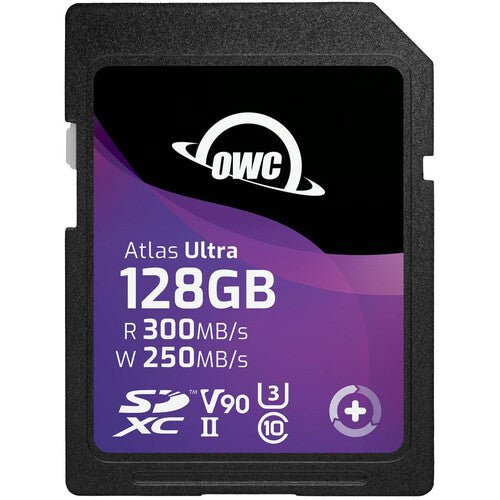
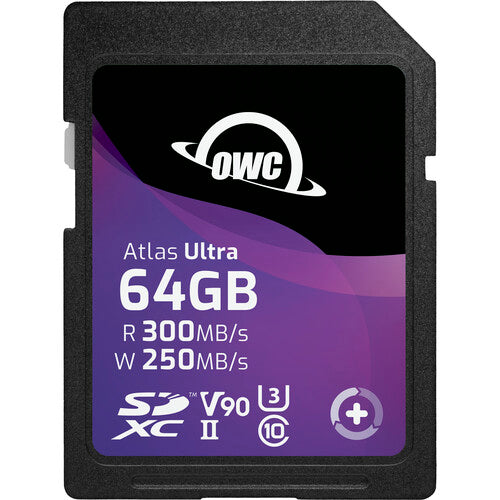
| OWC Atlas Ultra | 250 MB/s | 300 MB/s | V90 |
| Lexar Professional 1667X | 120 MB/s | 250 MB/s | V60 |
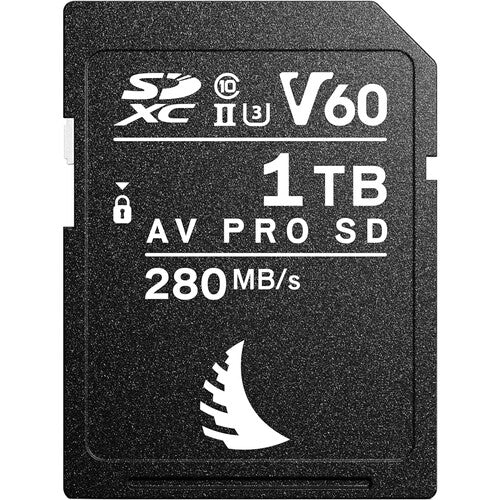
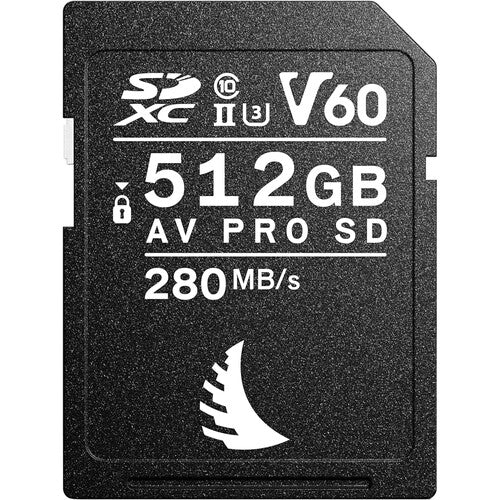
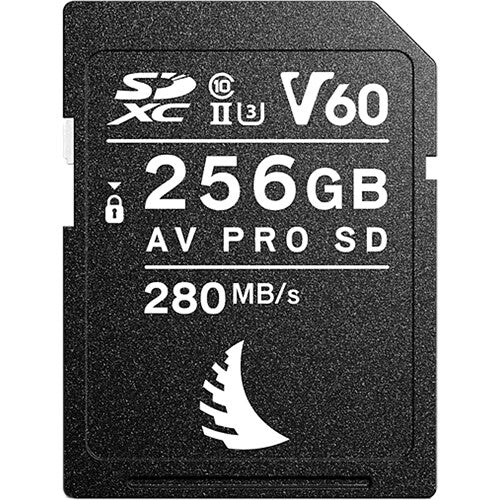
| Angelbird AV PRO SD (MK2) | 160 MB/s | 280 MB/s | V60 |
| Lexar Professional GOLD 1800x | 210 MB/s | 280 MB/s | V60 |
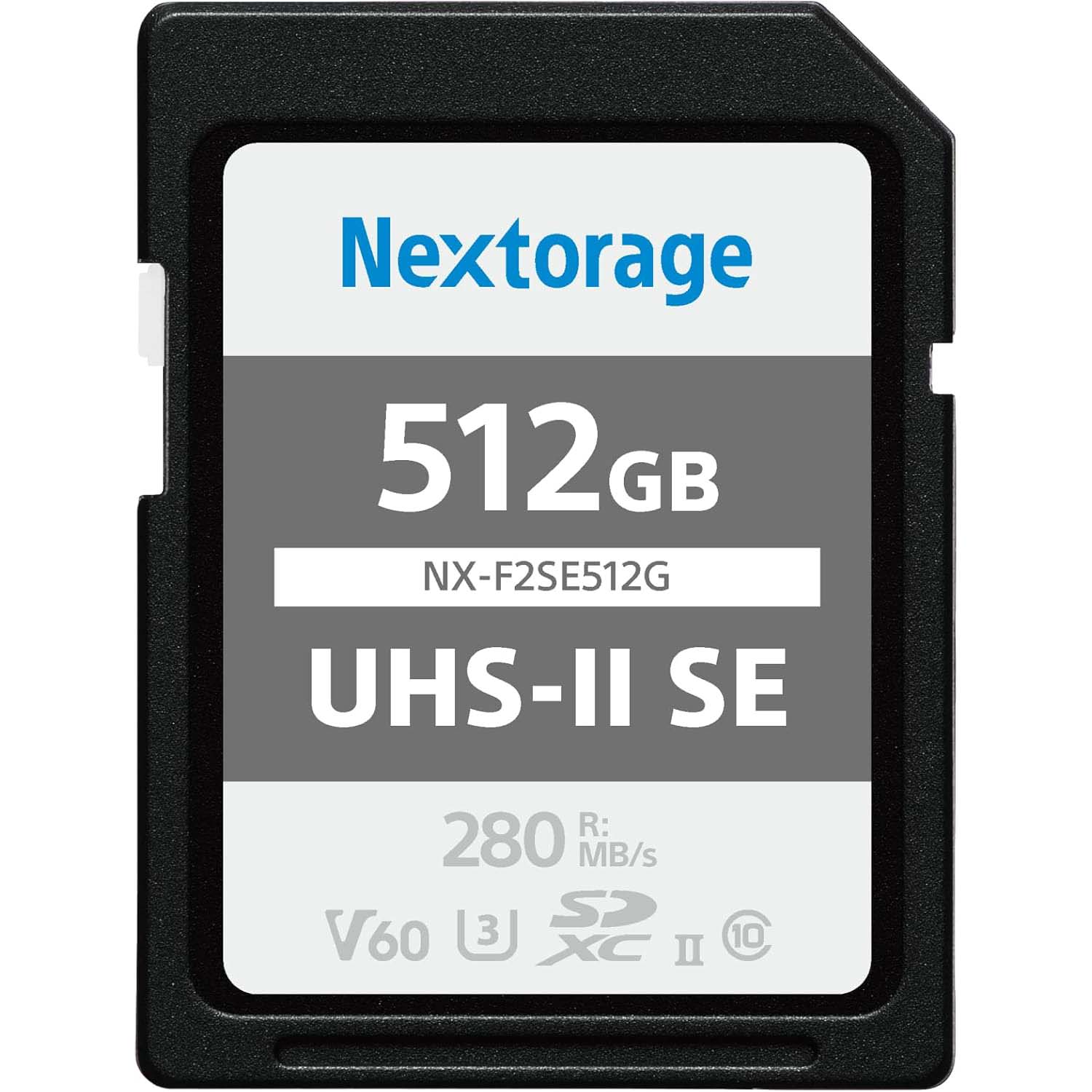
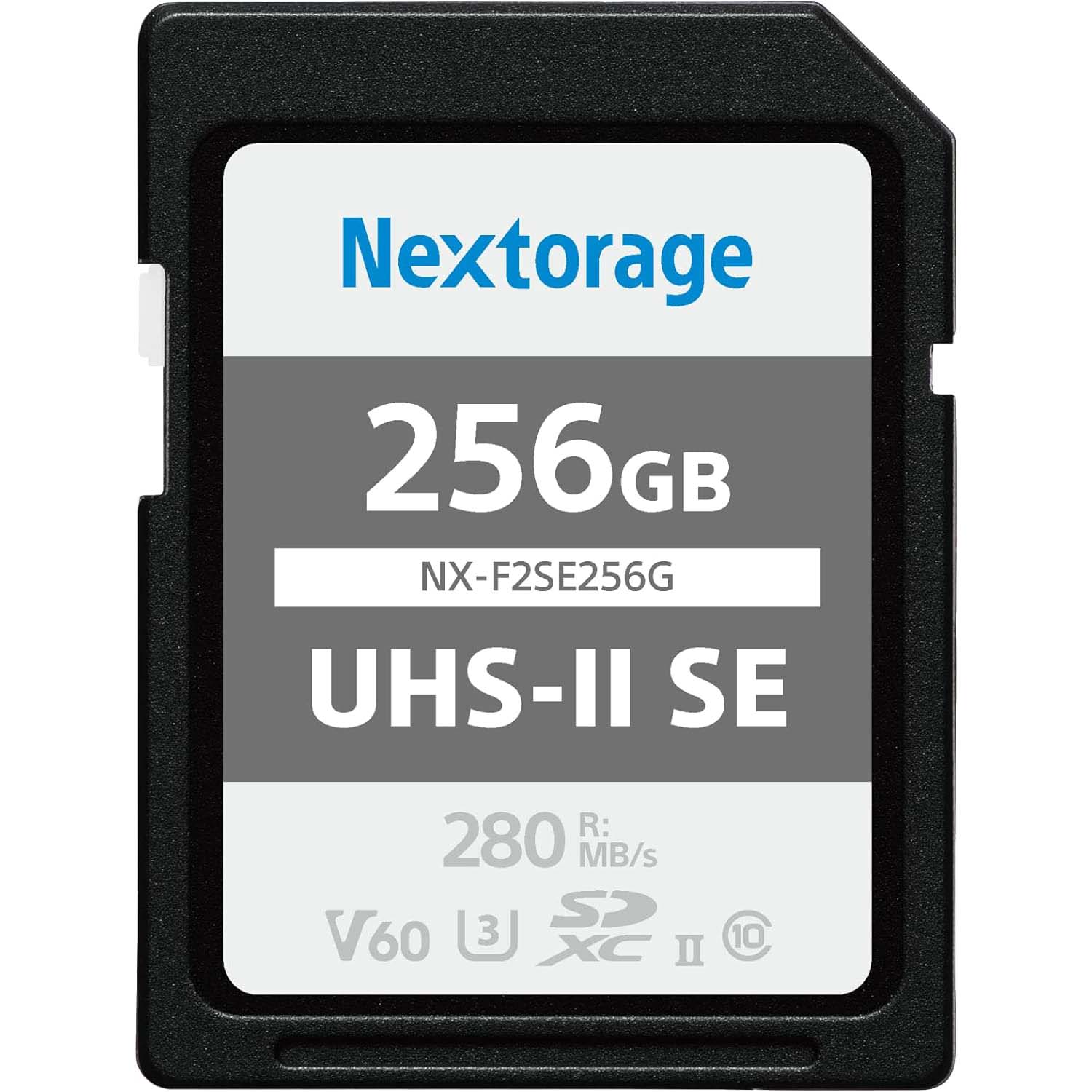
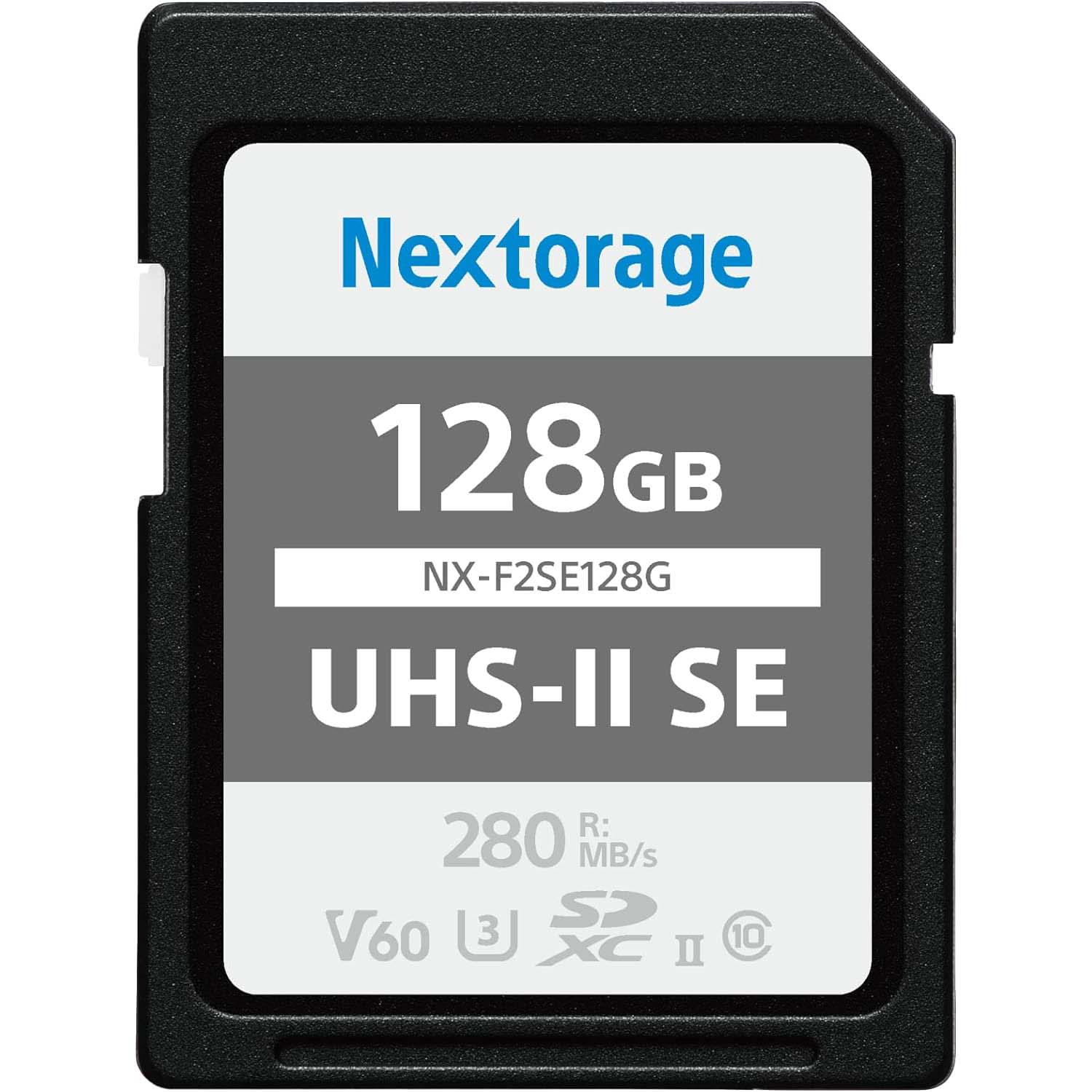
| Nextorage NX-F2SE Series | 100 MB/s | 280 MB/s | V60 |
Recommended UHS-I SDXC Cards
Our recommended UHS-I SDXC cards based on speed and reliability for the Sony ZV-E10 II are:
| UHS-I Card | Max Write Speed | Max Read Speed | Video Speed Class |
|---|---|---|---|
| Delkin Devices ADVANTAGE | 100 MB/s | 180 MB/s | V30 |
| Delkin Devices Black | 90 MB/s | 90 MB/s | V30 |
| SanDisk Extreme | 90 MB/s | 180 MB/s | V30 |
| SanDisk Extreme Pro | 90 MB/s | 200 MB/s | V30 |
| Lexar 800x PRO | 45 MB/s | 150 MB/s | V30 |
| Kingston Canvas Go Plus | 70 MB/s | 170 MB/s | V30 |
| SanDisk Ultra | NA | 140 MB/s | V10 |
FAQs
How many images can be stored on a 64GB card?
A 64GB card will allow you to shoot approximately 1600 Compressed RAW images or 2900 Extra Fine JPEG images.
What is the difference between UHS-I and UHS-II memory cards?
UHS-II offers much faster speeds (up to 312 MB/s) compared to UHS-I (up to 104 MB/s). This is possible via a second row of pins and two data lanes for simultaneous upstream and downstream data transfer. The extra row of pins are visible on the back of UHS-II cards. Both card types are backward compatible, but a UHS-II card will only operate at UHS-I speeds in a camera that only supports UHS-I cards.
What is the difference between SDHC and SDXC memory cards?
SDHC cards are formatted using the FAT32 file system which is limited to a maximum file size of 4GB. So when recording video clips, the clip will be split every 4 GB but playback with the camera will be seamless. SDXC cards use the exFAT file system which supports a maximum file size of 16 exabytes (EB), so video clips will not be split. SDHC cards support capacities of between 2-32GB and SDXC cards support 64GB-2TB.
Where can you find the Sony ZV-E10 II specifications?
Full specifications for the Sony ZV-E10 II can be found on Sony's website.